
"Ethiopia coffee auction"
700 article(s) found

Introduction to the method of texture treatment of Ethiopian Coffee Flavor and Grinding degree
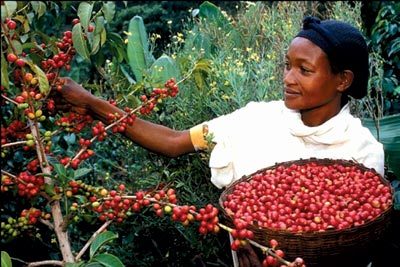
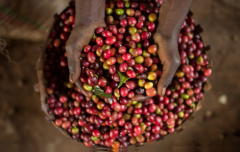
On coffee farms, high quality assurance is reflected in the timely and strict selection of mature and reddest coffee fruits. Picked coffee needs to be protected from direct sunlight, and the picked fruit is concentrated in a bamboo basket to avoid contact with the soil. The picked fruit is washed in clean water and preserved under water to improve the flavor and color of coffee beans. Processing
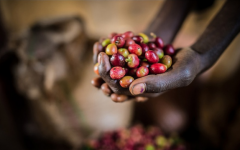
Ethiopian washing G2 Sidamo Coffee cooked beans from Sidamo sidamo production area fresh order baking
Factory name: coffee factory address: No. 10 Baoqian Street, Yuexiu District, Guangzhou City, contact information: 20-38364473 shelf life: 90 net content: 227g packaging: raw and ripe coffee beans: sugar-free coffee beans: sugar-free origin: Ethiopia baking degree: light roasting Sidamo G2 Washed countries: Ethiopia grade: G2 production areas: Sidamo baking
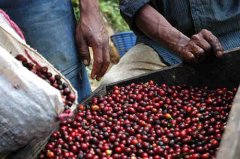
Ethiopia washed Sidamo sidamoG2 boutique coffee beans planting situation, geographical location, climate and altitude
Farmers harvest bright red fruit every day, and every two days the coffee fruit is sent as a unit or sold to a water washing plant for treatment. Coffee fruit without a water treatment plant is usually naturally fermented for about 12 hours, and then passed through the sun for drying and shelling. In any case, farmers always try their best to send it to the water treatment plant for treatment, so that it can be sold in the name of washing treatment.

Ethiopia washed Sidamo sidamoG2 boutique coffee beans, brand recommendation and manor
Professional barista communication please pay attention to the coffee workshop (Wechat official account cafe_style) there are still a large number of wild Arabica coffee species growing in many parts of Ethiopia, with an average of 4200-6800 feet above sea level, and now there is a tendency to cultivate a small amount of banana trees for shade, but due to the lack of agricultural technology, there are fewer herbicides and farmers.

Flavor description of Ethiopian Coffee introduction to planting Environment
Large-scale coffee-growing villages account for about 35% of the country's total coffee production. These coffee farms, which use a multi-tier coffee planting system, are carefully cared for. Coffee farmers do not use chemical fertilizers, but use fallen leaves and animal and plant debris to increase soil nutrition. In addition to coffee, farmers also frequently grow non-coffee crops. It even accounts for the total amount of coffee in the country.

Introduction to the characteristics of Ethiopian boutique coffee bean flavor and taste manor with suitable acidity
In Ethiopia, the grading and quality control system of coffee is divided into three levels: producer, regional and national. All coffee is inspected by local inspection agencies before leaving the country of origin, and then re-tested at the coffee inspection and grading centers in Addis and Diredawa to determine its quality grade. Coffee is graded before auction and sale, for all involved in production, acquisition,
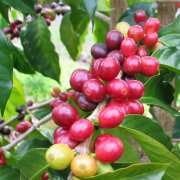
Classification and quality Control system of High quality Coffee Bean Ethiopian Coffee
In Ethiopia, the grading and quality control system of coffee is divided into three levels: producer, regional and national. All coffee is inspected by local inspection agencies before leaving the country of origin, and then re-tested at the coffee inspection and grading centers in Addis and Diredawa to determine its quality grade. Coffee is graded before auction and sale, for all involved in production, acquisition,

Delicious Ethiopian Sidamo Coffee Fine Sidamo Coffee beans
The Sidamo producing area, which is 1400-2200 meters above sea level, is a famous boutique coffee area in southern Ethiopia, bordering Kenya. The washed Sidamo is light green, the beans are small, the growth is oval, the fruit is full, the average quality is good, the smell is fragrant and mellow, a drop of entrance, endless aftertaste, with wild beauty. The coffee in Sidamo has a very diverse flavor and different soil.

Very suitable for coffee growth. Introduction of Ethiopian boutique coffee beans.
Coffee grading and quality control system in Ethiopia, coffee grading and quality control system is divided into three levels: producer, regional and national. All coffee is inspected by local inspection agencies before leaving the country of origin, and then re-tested at the coffee inspection and grading centers in Addis and Diredawa to determine its quality grade. Coffee is graded before auction and sale

Ethiopia washed Sidamo G 2 fine coffee beans flavor characteristics, production areas and brewing parameters
Professional barista communication, please pay attention to coffee workshop (Weixin Official Accounts cafe_style ) Different from ordinary African coffee, Sidamo has clear fruit acid, smooth taste and delicate flower smell. Washed Sidamo is elegant and playful. Mild and pleasant on the palate, with a strong impact of bright lemon fruit acids later, the palate is unique and mellow, with a sweet and chic finish

Ethiopia washed Sidamo sidamoG2 boutique coffee beans, grading, price, raw beans and roasting degree
For the exchange of professional baristas, please follow the coffee workshop (Wechat official account cafe_style). The Sidamo producing area, which is 1400-2200 meters above sea level, is a famous boutique coffee area in southern Ethiopia bordering Kenya. The washed Sidamo is light green, the beans are small, the growth is oval, the fruit is full, the average quality is good, the smell is fragrant and mellow, one drop in the mouth, no aftertaste.
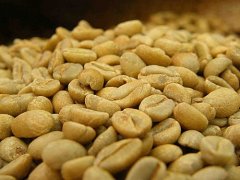
Ethiopia Yegashefi Chelba Chaloba Cooperative introduction Sun Yega detailed description
Professional barista exchanges please follow the coffee workshop (Wechat official account qianjiecoffee) Ethiopia is the country where coffee was first discovered, in terms of coffee quality and output, Ethiopia is still the most important producing country and the best, coffee is mostly the traditional Arabica species, the annual output is about 350000 tons and more than 70% are exported to countries around the world, about 15 million people in the country are engaged in coffee

The only place in the world that has wild coffee, black mountain Harald coffee in Harald, Ethiopia.
Ethiopian coffee is mostly produced in the plateau above 2000 meters above sea level, with large producing areas such as Gima, Gamby, Yeerqifa, Sidamo and Harald. Among them, the region is still the only place in the world with wild coffee, which is auctioned in London every year and the auction price is astonishingly high. Harald, located in eastern Ethiopia, is an ancient building with a long history.

Introduction to the unique flavor description and taste characteristics of the Yega Shiffiwaka coffee producing area
In Ethiopia, the grading and quality control system of coffee is divided into three levels: producer, regional and national. All coffee is inspected by local inspection agencies before leaving the country of origin, and then re-tested at the coffee inspection and grading centers in Addis and Diredawa to determine its quality grade. Coffee is graded before auction and sale, for all involved in production, acquisition,

Acidity texture of Ethiopian Yega Sheffivoka Coffee Flavor Flavor Manor Market Development
Coffee is Ethiopia's most important export cash crop and the main source of Ethiopia's foreign exchange earnings. Ethiopia's coffee exports account for about 3% of the world market, making it the eighth largest coffee exporter in the world. Coffee exports increased steadily from 58000 tons in 1990 to 110000 tons in 1995-1996 and remained at this level in the following years. 2001-2002
Grading and quality control system for coffee African fine coffee beans Ethiopian coffee beans
Coffee classification and quality control system In Ethiopia, coffee classification and quality control system is divided into producer, regional and national three levels. All coffees are inspected by local inspection agencies before they leave the country of origin, and then re-inspected at coffee inspection and grading centres in Addis and Diredova to determine their quality grade. Coffee is graded before auction and sale

Esmeralda Coffee Estate Panama Coffee Estate Esmeralda Coffee Estate Panama Coffee Estate
Ethiopia's wild variety, after countless battles, is now popular in all major coffee producing areas, and its best spokesperson is the "La Esmeralda" estate from Panama. History of the Esmeralda Farm: 1924 Swedish Harns. Elliot founded the esmerada farm, which was not a coffee farm but a pasture, 40 years later in 1964.

Lime Coffee | Ethiopia | Red Cherry Project | Kobena Forest G3 sun-dried beans
For more information on coffee beans, please follow the coffee workshop (Wechat official account cafe_style) Lime Coffee | Ethiopia | Red Cherry Project | Kebana Forest Kobena Forest G3 sun-dried beans Ethiopia is the first country to discover coffee, and it is still the most important and best producer in terms of coffee quality and output. Coffee is mostly traditional.
A brief introduction to the Market Price of Essel washing Sidamo sidamoG2 Fine Coffee Bean varieties
Variety: local native flavor: honey, citrus, lemon there are still a large number of wild Arabica coffee trees growing in many parts of Ethiopia, growing at an average altitude of 4200-6800 feet. Banana trees are generally planted for shade, but there is less use of herbicides and pesticides due to lack of agricultural technology. Coffee
How do Kenyan coffee beans taste good? Characteristics of flavor and taste in coffee producing areas of Kenya
Professional coffee knowledge exchange more coffee bean information please follow the coffee workshop (Wechat official account cafe_style) the rare good coffee ── is famous for its rich aroma and balanced acidity. People in the coffee industry all think that Kenyan coffee is one of its favorite products, because Kenyan coffee includes me.